
In the potato processing industry, the specifications and quality of raw materials directly influence the outcome of subsequent processing. Whether the end product is french fries, potato chips, etc.—or if the potatoes are intended for sale as fresh produce—potatoes of varying sizes, shapes, and quality levels are typically suited for different purposes. Introducing potatoes of inconsistent sizes directly into the production process not only complicates downstream operations but can also negatively affect product quality and production efficiency.
Therefore, in industrial potato processing plants, potato grading serves as a crucial step in the pre-processing of raw materials. Using a potato grader machine, potatoes can be sorted according to predetermined standards, providing more uniform raw material for subsequent processing stages.
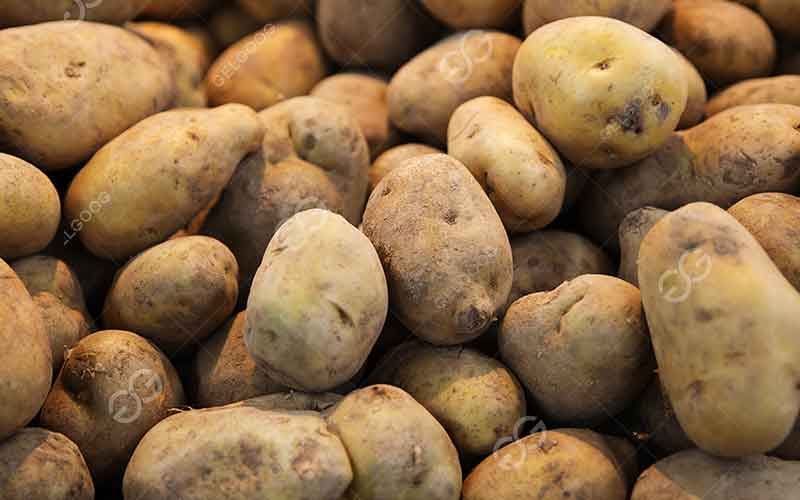
Why is it necessary to grade potatoes?
- To meet the processing requirements for different potato products: Various potato products have specific requirements regarding the specifications of the raw material. For instance, the production of French fries typically requires potatoes of appropriate length and diameter to ensure that the resulting fries meet the necessary standards; meanwhile, the production of potato chips focuses more on the diameter, shape, and internal quality of the potatoes.
- Ensuring stability in downstream processing: Potatoes of varying sizes behave differently during processing stages such as peeling, slicing, cutting into strips, and blanching. By grading potatoes and routing those with similar specifications to the appropriate processing steps, the impact of raw material variability on equipment operation and product quality can be minimized, leading to more stable performance across the entire production line.
- Improving raw material utilization and reducing waste: Without a grading process, potatoes that do not meet the specifications for the primary product might simply be discarded, or a significant amount of trim/by-products could be generated during processing. Through effective grading, a facility can allocate potatoes based on the specific raw material requirements of different products, thereby minimizing waste and maximizing the overall utility value of the potatoes.
What is the purpose of a grader?
A potato grader machine is an industrial device used to sort potatoes based on size, weight, or other specific criteria. Depending on a processing plant’s production capacity, the characteristics of the raw material, and specific grading requirements, various types of grading equipment can be selected. So, what is the purpose of potato grader?
1. Reducing manual sorting and increasing production efficiency
For processing plants that handle tons—or even tens of tons—of potatoes daily, relying solely on manual assessment is labor-intensive and prone to inconsistencies based on the operator’s experience or current state. Potato grading machines operate continuously according to preset standards, automatically directing raw materials into designated collection areas.
2. Improving the performance of downstream processing equipment
Potato grading machines ensure more uniform feed conditions for subsequent processing equipment. By minimizing variations caused by inconsistent potato sizes, they make it easier to control cutting dimensions and optimize raw material utilization.
3. Enabling continuous and automated production
Large-scale potato processing enterprises can implement multi-lane grading systems tailored to their specific production capacity. This allows potatoes of different specifications to be routed directly to the appropriate processing zones, thereby reducing the need for manual handling and repetitive tasks.
How to choose the right potato grader?
Consider the following aspects:
- Production Capacity: Select equipment based on your facility’s hourly potato processing volume to ensure the grading speed meets the requirements of the entire production line.
- Grading Criteria: Define whether potatoes should be sorted by diameter, weight, or other parameters, and determine the number of grading categories required.
- Potato Characteristics: Take into account the variety, size range, shape, and surface condition of the potatoes to select an appropriate grading mechanism.
- Production Line Integration: Ensure the grader is compatible with the processing capacities of upstream and downstream equipment to prevent bottlenecks or equipment idle time.
Contact us to receive a quote for a suitable potato grader.